Featured

Eve’s Gift

In human genetics, the most common ancestor of all living humans is known as Mitochondrial Eve, who I shall call Eve. Think of her as the biblical Eve if you wish. Eve lived between 100,000 and 200,000 years ago in southern Africa (or Eden if you like). The point is; DNA has passed down through generations for all those years to us. Even by the time Eve was born our DNA was already very old. Scientists in the United Kingdom have found that genetic events that occurred 550 million years ago led to the developing nervous system. Some of the genes that control cognitive function have been passed down to us almost unaltered. Similarly, mutations of these genes, that change cognitive function have also been passed down, including mutations that are implicated in the development of mental health disorders.

It is conceivable that Eve herself may have had a mental health disorder. She carried genes that, when expressed, would have given rise to the biological predisposition for a mental health disorder. Since Eve’s time more genetic variation has occurred. Some giving rise distinct ethnic groups, some to physical traits like skin colour and eye colour, and some to congenital diseases. The potential for developing a mental health disorder exists in all of us, encoded in our genes. It always has been. Stone age man knew about mental disorders, as did ancient cultures in China, Mesopotamia, India, Egypt, and, Greece.

Mental health disorders are extremely old. They are widespread. They are also very, very common. As of 2019, 50% of Australians will have experienced a mental health disorder at some point in the lives. There will be more that won’t admit to it, and still more who never knew that their problems were due to a mental health disorder. When I studied Psychology in the 1980’s mental health disorders where taught under the banner of abnormal psychology. But they are clearly not abnormal. If anything, living your life without experiencing mental health issues is abnormal.

Despite the fact that they are share similar heritability characteristics and biological mechanism, we differentiate mental disorders from and congenital physical illness. We have associated far more negative values and stereotypes to mental disorders than we have to other congenital disease. This delineation has been reinforced and maintained by structural stigmas endemic in the attitudes of some health professionals, health systems, and government departments. The Australian Productivity Commission in 2019, has released a report on national strategies for mental health. It offers hope of much needed improvement in the lot of mental disorder affected people and it is to be commended. But it illustrates the schism that exists between the manage of mental health and the management of physical health. I have to live with this everyday. I have one doctor for my physical health and another for my mental health.

All of this is a legacy of times past when we lacked knowledge and understanding of the biology of mental illness and its pathophysiology. This situation has inadvertently contributed to the emergence of needless and destructive stigma and discrimination toward people with mental illness because mental health is so often seen as different from physical health. Stigmatising and discriminating against people with a mental illness is very common and very dangerous. It can increase the already elevated risk of suicide. It can prevent people from seeking help. It can destroy relationships and fractures family ties. It fosters ignorance and denial. It causes pain and misery not only to the mental illness affected person, but also to friends, family, carers, and colleagues.

The time to change is upon us. We are entering an exciting time of new discoveries in genetics, neuroscience, biochemistry and other disciplines, that are increasingly showing mental illness to have a predominantly biological nature. This offers us the opportunity to re-frame the concept of mental illness as congenital physical illness. When we do this we will eradicate much of this stigma and discrimination associated with mental illness and alleviate the harm it causes. We will reduce suffering, and we will save lives.

I believe that the argument for removing the delineation of mental and congenital physical disorders is undeniable. It is evident that the difference between people with mental illness and those without, is not founded on differences in character, personality, culture, belief systems, or other social constructs. Rather the root cause of most mental disorders is predominantly biological, genetic, neurological, biochemical. When a particular combination of genes are expressed, certain mental illnesses, or predisposition for mental illness, may result. We treat these as mental illnesses when ongoing signs and symptoms cause frequent stress or impair our ability to function. We categorise mental disorders to help in diagnosis and treatment but the causes and symptoms of mental illnesses are not distinct. The boundaries between bipolar and schizophrenia and other conditions are blurred.

Different combinations of expressed genes, when coupled with influential environmental triggers, lead to different mental health conditions. These conditions share common genes that cause common anomalies in the way biological and biochemical systems work. The National Institute of Health in the US, cites research that found five major mental disorders share certain genetic anomalies. Bipolar disorder shares genetic anomalies with depression and schizophrenia. Autism shares genetic anomalies with schizophrenia. Bipolar, schizophrenia, autism, and, depression, all share changes to the way calcium uptake channels work.

I read on one mental health website, that bipolar disorder is 80% genetic. I am not entirely sure how the figure of 80% was determined, but other sources I have read corroborate the finding . A 2017 Danish study estimated the heritability of schizophrenia to be 79%. Research into “depression genes”, as reported by Medical News Today, has found that depression is heritable, though many, many gene variants can be involved. I take this as a clear indication that mental illness has a primarily biological basis.

The QIMR Berghofer Institute, is currently researching the genes responsible for bipolar disorder. They hope to better understand the condition and gain knowledge that will lead to development of more effective treatments. There are many other lines of research investigating biological aspects of mental illness like the role of epigentics (which looks at how genes are turned on or off), neuroplasticity (the ability of the brain to rewire itself), neuroscience (the study of the nervous system), mitochondria research (part of which concerns how malfunctioning of mitochrondrial systems causes disease).

Some genetic anomalies give rise to dysfunction at a molecular level compromising the working of the central nervous system, the peripheral nervous system, the enteric nervous system, and, the connective networks between brain and gut. Sometimes this causes unbalanced production of hormones, which can cause neurotransmitter imbalance contributing to depression, anxiety, mania, insomnia and other symptoms. Dopamine, GABA, glutamate, norepinephrine, and serotonin are probably the most widely known neurotransmitters and are the target of many of the most widely used pharmacological treatments, such as selective serotonin reuptake inhibitors (SSRIs), which are antidepressants that moderate the function of serotonin. Symptoms caused by neurotransmitter problems are not limited to mental illness. They are also risk factors for physical diseases like irritable bowel, hormone dysfunction, eating disorders, fibromyalgia, chronic pain, migraine and headaches. They also play an important role in autoimmune diseases.

This doesn’t mean we should throw away the DSM V. Rather it suggests that we would be well served to change how we talk about mental illness and put greater emphasis on the underlying biology. I don’t doubt that mental illness is biological. I have bipolar II disorder, I was diagnosed partly by a blood test for lithium levels. My treatment is almost entirely pharmacological, with the balance being occasional chats with my psychiatrist to fine tune dosages of my medication. Occasionally, I do reach out for other help when my psychological symptoms are particularly difficult to tolerate, but by and large I manage my conditions with medication. My condition responds well to exercise which stimulates the production of hormones and releases endorphins, serotonin. Many of my bipolar II related symptoms are physical. I suffer fatigue, headaches, fevers, tremors, racing heartbeat, difficulty breathing, low energy, high energy. All observable, measurable physiological events. It has taken years for me to overcome the self-stigmatisation that made me feel a lesser person because of my mental illness. Now I see myself in terms of definable biological rhythms and patterns. I have a better understanding of what is going on and I can manage my physical health, my mental health and my social interactions so much more effectively.

I am lucky enough to have a couple of mental health disorders and a bunch of autoimmune diseases. I have a lot going on. To me, they are all part of one complex system, me. My treatment for my autoimmune diseases is a similar to my treatment for bipolar II, a mix of pharmacological treatments with occasional supplemental therapies like physiotherapy. Interestingly, many of the symptoms of bipolar are also symptoms of autoimmune conditions. When I have a mood swing it could be caused by bipolar II disorder, lupus, ankylosing spondylitis, or any mix of them. I treat my mental and physical illnesses in the virtually the same way. In many cases, the pharmacology is working on the same target cells and neurotransmitters. As far as I am concerned, the biggest difference between my autoimmune conditions and my bipolar disorder, is that with bipolar I get hypomania, which, problematic as it is, at least cheers me up for a while.

It is no coincidence that, since I worked out the right medication to treat my bipolar disorder, I have experienced a dramatic reduction in symptoms of my autoimmune diseases. The mirtazapine and quetiapine, which I take as an antidepressant, also have an anti inflammatory action. So my medication is simultaneously moderating symptoms of my bipolar disorder, the main target, and my autoimmune diseases, a happy coincidence.

I don’t wish to disparage the efficacy of psychological treatments like ACT and CBT. For many people, these treatments produce very positive results. In my case, I have experienced mixed results. I get more benefit when my medication is on point.

Autoimmune disease occupies the middle ground between congenital physical illness and mental illness. They are diseases that primarily known for effecting physiology such as the muscoskeletal system, or the nervous system. They also have symptoms like mood swings, sleep disorders, chronic fatigue, chronic pain and more. They may involve psychological symptoms like depression. One thing that sets autoimmune disease apart from most types of congenital physical disease, is that symptoms can be very difficult to detect and to observe. For example, you need to look at my blood tests to see that I have lupus and ankylosing spondylitis because there are no outward signs. In a general sense, autoimmune diseases are seen as physical illnesses and attract less stigma than mental disorders. Arthritis diseases like rheumatoid arthritis and ankylosing spondylitis, is a case in point. You can’t always see it but you are happy to accept that it is real and worthy of sympathy and support.

But some autoimmune diseases are characterised by symptoms like depression, chronic fatigue, chronic pain and mood swings. These symptoms are tolerated far less. Sufferers of autoimmune diseases are often subject to stigma and discrimination in much the same way as people with mental illness. The main problem lies in perceptions that symptoms like chronic fatigue and chronic pain don’t really exist and are really fecklessness and laziness. When we tackle the stigma associated with mental illness we will also tackle stigma and discrimination associated with immune disease especially where common symptoms occur.

I have first hand experience of the stigma associated autoimmune disease. There is a world of difference in the way I am treated by other people when I am having a flare of autoimmune disease compared to when I present with a physical illness with obvious visible symptoms. If I had a broken leg and struggled to get around on crutches with my leg in a cast, people would be sympathetic and would be comfortable showing it. They would happily sign my cast and help me to my car. When my brother developed bowl cancel, family and friends rallied around in support. I flew half way round the world to be with him. It’s what we do when one of our own is in trouble, right? Very different attitudes come into play when it comes to conditions like autoimmune diseases. I am not equating cancer with autoimmune diseases, I just want to draw attention to the fact that baseless value judgements and stigma influence how we see and interact with somebody suffering from an autoimmune disease.

If I am suffering chronic pain and fatigue during an autoimmune flare people might initially show sympathy, but this quickly dissipates if my symptoms drag on or re-occur after only a short period of respite. Symptoms like chronic pain and chronic fatigue have negative values associated with them. Chronic fatigue can be confused with malingering. Chronic pain can be misinterpreted as attention seeking. I can remember when chronic fatigue first became a thing, and to say people were skeptical is an understatement. I was incredulous myself. Many people still don’t believe that chronic fatigue exists. Karma ensured that I changed my perspective. Even so, I have learned not to bother anybody with my autoimmune problems because those stigmas are still well entrenched.

I have experienced stigma and discrimination from family, fiends, colleagues and health professionals. I have had doctors dismiss my conditions even as they hold the evidence in their hands. It’s as though they look at me and say “you don’t look unwell so there can’t be anything wrong”. It doesn’t fill you with confidence. I don’t disclose my illness unless it is absolutely necessary, like when I collapse and need help to get to my feet. I stopped consulting my doctor about my autoimmune problems. As a result I suffered a deep vein thrombosis and ended up in hospital with pulmonary embolisms and came close to shuffling off this mortal coil. The point is; stigma and discrimination abound when it comes to chronic illness and for those who suffer them life is too often about social distancing, hiding symptoms, and, fending for yourself. This is my experience. Almost everything I know about my autoimmune diseases is down to my own research. I have become an informed consumer, which brings it’s own problems. For the most part I am left to my own devices to manage diseases that reduce life span by decades at best and, at worst, can be deadly.

When it comes to mental illness, affected people have to navigate an even more pernicious mire of stigmatisation and discrimination and on an almost daily basis. Diagnosis categorises the patient with mental health conditions under labels like depression, anxiety disorders, bipolar disorder, schizophrenia, and so on. These labels are stigma which confer qualities on a person that can act as a mark of shame, disgrace, or inadequacy in the eyes of many people. I have frequently been advised by friends and colleagues not to disclose my mental disorders for fear of being stigmatised. I don’t listen to them, obviously.

People are stigmatised when unfounded negative perceptions and values are attributed to them, mostly by other people but also sometimes by themselves. The effected person may be stigmatised by people considering them as being unacceptably different, unworthy or threatening. Stigma then becomes justification for stigmatising behaviour, such as by attributing to all people with a particular label, the notion that they are “dangerous”. Stigmatising behaviour has its roots in ignorance, where lack of knowledge leads to uninformed decision; prejudice, where attitudes are based on fallacies; and, discrimination, where behaviour towards a stigmatised person is influenced by prejudice.

Stigma and discrimination is always painful and destructive. For people with a mental health disorder, stigma and discrimination may exacerbate some of the most debilitating symptoms and circumstances. Ill-informed notions that people with mental ill-health are dangerous, for example, can result in being shunned and isolated. Isolation can exacerbate feelings of worthlessness and loneliness and these, in turn, can lead to suicidal thoughts or even suicide. Accusations of being weak and not having a real illness are just as destructive. A stigmatised person might be shamed into forgoing treatment and that may have disastrous consequences. The misconception that a person can control his or her condition can have a very harmful effect on relationships when family and friends see mental illness as a way of manipulating them. Supportive relationships can become dysfunctional even to the point of becoming confrontational and antagonistic.

I have lost jobs and missed out on promotions because of discrimination. The reasoning seems to be something like “your moods will effect team harmony”, or ”you might commit suicide and bum everyone out”. When I apply for a job I keep my mental health situation to myself and I don’t share my mental health status to the people I work with either, all because discrimination is so common in the workplace and can have such serious consequences. Attitudes towards mental ill-health have improved a great deal over the last decade or so. Still, even in personal relationships, I am careful in how I talk about my mental ill-health (except when I blog). Too many times I have been confronted with denial and even downright anger, especially within my own family. I don’t talk to some of my family anymore and they don’t talk to me, because of their attitude to my illness.

I have also encountered discrimination in the medical profession. My health insurance was useless when I needed help the most. A health insurance policy that would meet my needs is well beyond my means, even if could find a willing insurer. I have given up on private health insurance. Thankfully, Australia has an awesome health service. One thing that annoys me is the patronising attitude of some of the doctors and psychiatrists I have consulted. I have sometimes had the feeling that they are on a crusade to save the health system from the plundering of people like me. A example of what is called structural discrimination. It has taken me years to find health professionals that I trust. If you don’t trust your health professional, keep looking and never forget, you are the customer!

So what can be done about stigma and discrimination of people with mental illness? The Global Anti-Stigma Alliance, which includes a international alliance of organisations like beyondblue, are studying stigma and discrimination in mental health and have formulated a set of key approaches for stigma reduction. They have also developed a program of social marketing campaigns aimed at tackling stigma and discrimination. This is great news and I intend to do what I can to help. But, in my opinion as an empowered consumer, the strategy has a gap. It doesn’t tackle the re-framing of perceptions about the causes of mental illness to emphasise the biological factors.

One way I will be helping is by raising awareness of the biological basis of mental illness and by influencing people to accept that mental illness is physical illness. I will also blog about my mental health in the spirit of contributing to lived experience leadership, a key approach of the Global Anti-Stigma Alliance. Time to change.

No comments to show.

Toxic Relationships And Mental Health

Nobody is immune to toxic relationships and, potential sources are all around us, friendship groups, classmates, colleagues, spouses, family, romantic partners. A toxic relationship detracts from our lives. No matter how much we put into the relationship, we feel unappreciated, belittled, just not good enough. Having a mental illness can expose us to an greater risk of entering into a toxic relationship and of being unable to find a way out. Low self-esteem, isolation, feelings of unworthiness, may all cause us to “lower our standards” because a pessimistic viewpoint makes us think we can’t do any better. Once bound to a relationship, we might be fooled by our own self directed stigmas to blame ourselves for problems. We may be more prone to feeling that we deserve criticism, allowing another to keep us under the thumb. We might construct a devastatingly damaging mental schema in which we see ourselves as lessor people, undeserving of respect and happiness. Ultimately, we may accept this version of reality and think that it is unchangeable. We give up. As long as the toxic relationship goes on, it damages our health. It causes us to suffer mentally and physically.

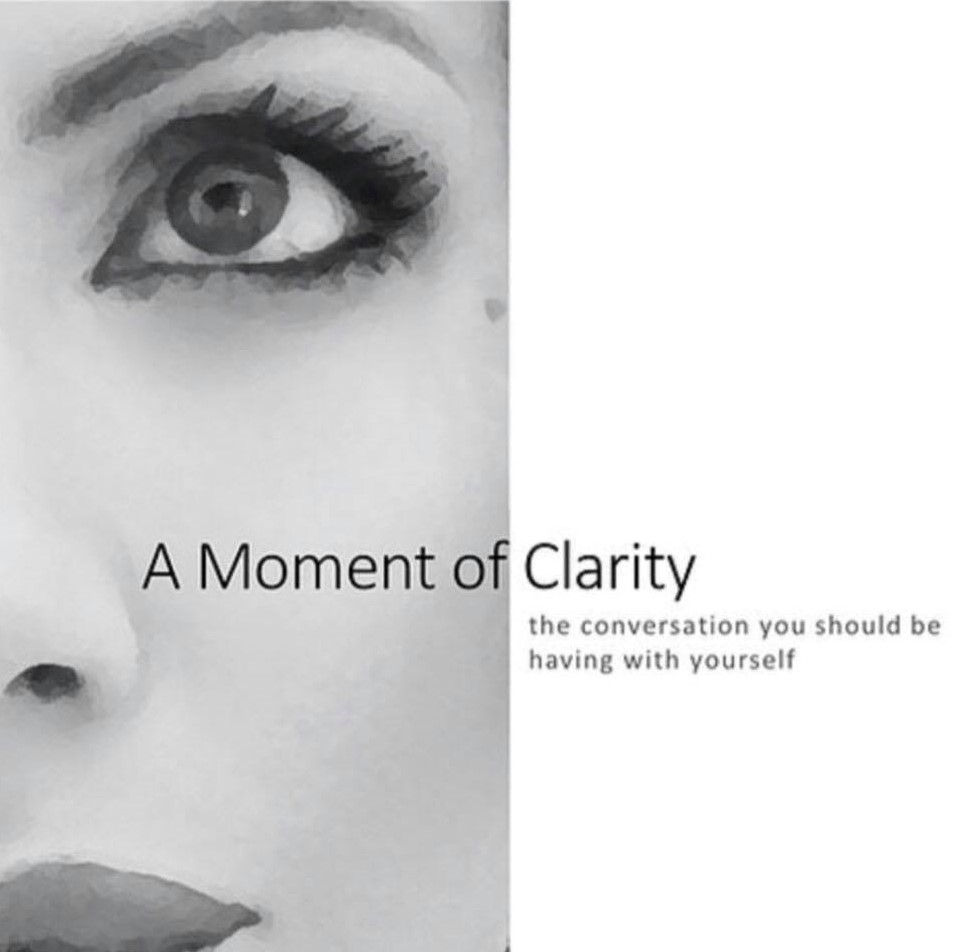
If you are reading this post because you think you might be in a toxic relationship but want to be sure, you can find links to web sites that can help you at the bottom of this post. If you are in a toxic relationship or have escaped one, I have added a link to A Moment of Clarity that I am certain will of use to you. Be assured, you are far from alone and however you feel right now, don’t give up, and take heart. Help is close at hand.

Toxic relationships are proven to effect the immune system causing inflammation that damages the nervous, musculoskeletal, and other systems. They can lead to heart disease, high blood pressure, and the risk of strokes. They can literally be heart breaking. They also negatively effect the biological systems that control our mental health. A toxic relationship may trigger a mental health disorder in a person with a genetic predisposition but no symptoms. The stress of a toxic relationship on physical and mental health can create a downward spiral as the demise of one reinforces the demise of the other.

Many people with mental illness have heightened vulnerabilities that can be exploited, consciously or unconsciously, in a toxic relationship, putting them at greater risk of harm than for people without a mental illness. Compromised communication skills, as we might find in a disorder such as Aspergers syndrome, may hinder a person in making known his or her feelings about negative treatment. Low self-esteem, like we find in anxiety and depressive disorders, increases the risk of being manipulated in an unbalanced power dynamic. Internal stigmas about unworthiness and helplessness mistakenly confirm negative emotions expressed by a partner with the intent of undermining self-confidence. Constant criticism and aggression make the victim pliable and servile to a potential abuser. Lack of confidence in decision making can be exploited by self-serving bullies who can influence victims decisions to suit their own purposes.

As a parent, or even as a friend, we need to be vigilant that the vulnerable people we love are protected from toxic relationships. It is sometimes tempting to ignore a few undesirable traits in the toxic relationship because we are concerned that our loved one may not find new friends. It is a dilemma, do we accept a bad relationship over no relationship at all? It is a question that is difficult to resolve, especially where abuse seems trivial or infrequent. We risk intervening in a relationship only to leave our loved one isolated and ungrateful for the interference. This kind of thinking is unhelpful. The toxic relationship is always pernicious. Seek help if necessary, but do not ignore the danger. At the same time, take a look at your motives. We carry stigmatising ideas about ourselves and our loved ones. A misplaced belief that a mentally ill loved one will struggle to find friends and rewarding relationships, could cloud our view and wrongly place lower standards on the kind of relationships we think he or she deserves. I don’t know your loved one, but I know that they don’t deserve a toxic relationship. For more on this, see 1800RESPECT.

Toxic relationships with romantic partners and spouses can be particularly harmful. We find someone that we believe we can love and who will love us in return. We commit ourselves fully and we trust our partner completely. Slowly the horrible reality hits us. We find that we are being lied to, controlled, manipulated, cheated on, and, abused. We are devastated. We feel humiliated, ashamed, naive, stupid. We are angered, confused, aggrieved. We are heartbroken and we suffer (and everybody who loves us suffers too). Sometimes we try extreme measures to escape a cruel world. Having escaped the physical relationship, it lingers mentally as we crave justice becoming consumed by desire for vengeance. The stress and anxiety of a toxic romantic relationship, or a toxic marriage, can be unrelenting and highly intense. Mental health issues may be a major cause of toxic behaviour. For example, a person with a substance abuse disorder may become violent towards a spouse. Mental health issues may also enable an abusive relationship by creating an unhealthy power balance.

People with a mental health disorder may be more vulnerable to being enticed into a toxic romantic relationship. Once caught, they may be less able to cope with, or resist, negative treatment, and, may be less resilient. They may also be more prone to damaging or even fatal behaviours when the relationship is ended. The stress, anxiety, and, depression of the toxic relationship drives a vicious spiral of negative beliefs and behaviours that put systems that control mood and wellbeing into overdrive. Abuse creates bad feelings, exacerbating and magnifying problems that already plague the mental illnesses affected person. Issues with low self-esteem and helplessness leave a person less able to defend themselves against abuse. Even after escaping the relationship, the aftermath can be hard to bear. I know a person, who had an existing predisposition to major depressive disorder, who was left so shattered by ending a toxic relationship that she attempted suicide. Thankfully she survived. Even so, the intensity of feelings and emotions that drive a person to such extreme action leave deep and lasting mental scars. As we see with Post Traumatic Stress Disorder, they also leave physical scars on our brains and nervous system. If pursuit of the happiness we unquestionably deserve is not motivation enough to quit the toxic relationship, then lets at least do it for our health.

A healthy relationship will leave you feeling safe, respected, positive and happy. A toxic relationship will leave you feeling insecure, subjugated, unworthy, depleted and miserable. Sometimes it is denial that binds us to our tormentor. Self-awareness is the first step in breaking out of the nightmare. We need to break down the toxic relationship and see it for what it is. We need to acknowledge physical abuse where it happens and know that it is never acceptable and must never be tolerated. The same goes for mental abuse. There is no room for demeaning comments, gaslighting, coercion, controlling and isolating behaviour, and, lying. As we recover our self-esteem we see that we deserve better and that we can have it too. Then we can see what we want and what we don’t want. We can start to change our lives for the better. You deserve to be happy.

A good friend of mine has opened an interesting and very helpful social media discourse on toxic relationships, among other things. A Moment of Clarity FB page is a place where you can have a voice, share your thoughts and experiences. Contributors have posted lots of useful, encouraging, and, humorous advice. You can also find the eBook “A Moment of Clarity”. If you are in a toxic relationship or emerging from one, this book offers a cathartic look at toxic relationships, empathy, and, sound advice on living well in a relationship and beyond (full disclosure: I have no monetary interests in this facebook page or ebook).

If you need help urgently:

  • If you think you might be in imminent danger, call 000 (Australia)
  • You can call 1800 737 732 for domestic and sexual abuse counselling and find their website at 1800RESPECT.org.au
  • The Black Dog Institute emergency information lists a number of useful helplines

How do you know your relationship is toxic? There are lots of web resources that deal with toxic relationships. I have listed a few from mental health and health advocacy organisations. The web pages listed here discuss signs you can look out for to assess whether your relationship is toxic:

Am I Defined by My Mental Illness?

Lately I have read blogs and articles with titles like “Don’t be defined by your mental illness” or something similar. These articles, written by well meaning authors with first hand experience, advise us not to allow our mental illness to intrude into the way we live our everyday lives, the way we make decisions, or how we socialise. Sometimes the argument focuses on not being held back by “labels” assigned to you at diagnosis. On the face of it, this is good, life affirming advice, is it not? I thought so for a while. So, last New Year’s Eve, I decided that I too would not let myself be defined by my mental illness. As the year nears it’s end, I find that absolutely nothing in my life has changed. And I am alright with that!

I am alright with it because I was unwittingly trying to do something that I believe I shouldn’t have to do, and, something I didn’t want to do. Rather than freeing my self from self-imposed constraints, I was placing an unwanted burden on myself. I was monitoring my thoughts and behaviours and analysing them to determine if I was successfully avoiding being defined by my mental illness. As if I don’t have enough self analysis and self judgement going on! I already keep a detailed mood journal. Do I really need more scrutiny? No, I do not.

In part, my motivation was to encourage myself to change my behaviour. To do things like go for long walks more often, get out of the house and meet people, spend less time watching Netflix. As it turns out, I don’t particularly want to go out walking and, while I am open to meeting new people, I don’t want it enough to put any real effort in to it. I understand that all these things have therapeutic benefits, but so does my contentment with my life as I live it now. I was trying to redefine myself and for no good reason. My motivation was misdirected. I do not need to change my behaviour and judge myself on how successful I have been just to prove to myself that my life is not defined by mental illness. My life is definitely defined by my mental illness to a significant extent, but it works for me.

I did not arrive at this life style without first trying lots of alternatives. I have lived with other people but it never worked out. I have made friendships with people that, for one reason or another, I have become separated from. I have moved towns, I have tried a sea change, I have lived in the suburbs, and I have eventually found my home in the city. I live alone. I could be described as “socially isolated”. I know that this is a risk factor for suicide, but, I have come to rather enjoy it. I have responded to the effects of my mental illnesses and I have found my own way to live. While I do not surrender to my mental illness, neither do I engage in needless battles that would wear me down with stress and exhaustion. I work with my mental illness to define my life style. It is different to most but it is balanced in it’s own way and is totally satisfactory. Allowing my mental illness to define my lifestyle has brought me peace and contentment and it is in no way inferior to the way I lived my life before mental illness became an issue.

I realise now, that trying to avoid having my mental illness define my lifestyle was a response to self imposed stigma. My mistaken stigmatising belief was that my lifestyle was deficient in some way or that I was succumbing to a desire to avoid “‘real life”. Neither belief is true. Wanting to redefine my lifestyle made me take worryingly negative view of my current lifestyle. I reframed it as though it was just the wreckage of former relationships gone wrong and the best that could be expected of a broken brain. It is anything but. I function perfectly well. I go on overseas holidays, I do lunch with friends, I pay my bills, I clean my apartment. I do what everybody else does, but on my terms. My lifestyle is defined by my mental illness because I have adapted to do things my way and because of that, I am happy, content and productive. I don’t need to change a thing.

I have spent most of my life living in relationships where my mental illnesses were either not acknowledged or where suppressed in some way. I did not let my mental illness define me. I lived in denial and in defiance of my mental illness. I was out of control. My loved ones could not understand my strange behaviours. They called me odd, eccentric, manic, nutty, and so on. I did nothing to acknowledge my mental illness, much less seek help. Chaos and disaster ensued. Not letting my mental illness define me did nothing to stem it’s inexorable course, and nothing to help my family understand that my moods were biological in nature and nobody’s fault.

What about the advice to “ditch the labels”? The idea is that if we let go of the labels that we are given at diagnosis, we might spend less time ruminating on our own inadequacies. Without a label, there is nothing for our antagonists and bullies to latch onto and use against us, so we are spared stigma and discrimination. A good friend of mine once tried to convince me to give up my labels and never let on that I have a mental illness. She meant well but she enunciating the stigmatising view that mental illness is a social construct and if you ignore it, it will just go away.

I am lucky to have the privilege of age and with that privilege comes the formidable superpower of not giving a flying fuck what people think of me. I wear my labels like a badge of honour and if people have a problem with that, then it is their problem. Having said that, I understand that there are situations where discretion is the better part of valour. If I apply for a job I don’t mention my mental health until I have my feet under the desk.

I love my labels. I have four of them. It has taken me decades of consultations and treatments to pin my mental illnesses down, to give them the correct labels. I have been through decades of misdiagnosis and inappropriate treatment that has caused me no end of anguish and pain, not to mention, a lot of disastrous outcomes. Now I have labels that allow me to access the right treatment. I can research my conditions and understand what is going on. I can consider how my conditions interact to make complex patterns of symptoms. I have meaningful and productive consultations with my health professionals. I get good advice, effective medications, and, I stay as well as I can expect to be.

Being diagnosed with mental illness is confronting. Apprehension about how you and your loved ones will be effected occupies your thoughts. At this time you become painfully aware of the stigma and discrimination that goes with mental illness. It is understandable that you might choose to deny this reality and “ditch the label”. The hope is that, without the label, people will not be aware of your mental health issue. This is a position adopted by the anti-psychiatry movement who, simply put, believe labels to impose negative stereotypes on people who don’t have a real problem anyway, just like my friend.

To me, ”ditching the label” is a form of denial and can never be an effective strategy in dealing with mental illness. Denial may lead you eschew the help of mental health professionals in the hope that you can find another way to cope. It might cause you to hide your condition and try to suppress the symptoms. Regardless, mental illness is a biological condition. Untreated, it will simply get worse and progress toward an often catastrophic breakdown. Your family will not be spared the ramifications of your illness, the irritability, the hostility, the midnight rush to the hospital. I say allow yourself to be defined by your illness and wear the ”label” with pride. Use it to learn how your mental illness effects you and those you care about. Know how to care for yourself and your family. Pay your mental illness the attention it deserves or you will suffer the consequences.

Sometimes denial and discrimination about mental illness comes from within the family. My family are in denial over my mental illness. They hold pernicious views that have wrecked our relationship. Criticisms like “you will be OK if you just man up”, and, “you just need to control yourself”. They have never asked me about my condition. My “labels” counter their ignorance and their stigmatising. I know that biochemical processes are at the core of my mental illnesses, not weakness or fecklessness. They can have their views, but mine are backed by science. My enlightenment trumps their ignorance. Self-awareness and acceptance have allowed me to see the many positive traits I have been gifted and to be grateful for the many adventures that I have had because of them. Our weapons against personal stigmatising and discrimination are self-awareness, knowledge, and the determination to be ourselves. Use “labels” to find out about the biological illness that is your mental health and help your family to understand.

It’s not a good idea to defy your diagnosis. Your labelled condition. I defied mine for years by simply ignoring it, or, by self-medicating, only to develop serious substance use disorders. I paid a high price when inevitably, self medication did not work and things became unmanageable. Awareness of my “label” and what it told me about the way my body worked, would have saved me from a lot of needless pain and anguish. That “label” was key to understanding my condition and knowing how to deal with it. Use your “label” to learn the warning signs that go with your condition. Learn how your condition interacts with other conditions and your body’s systems.

I accept my mental illnesses, they are an important part of the package that is me. I take full responsibility for them, I don’t hide them from people who need to know about them. I own my mental health and I am happy to explain it and discuss it to raise awareness and tackle discrimination. I am not ashamed of it, so I don’t apologise for it. I treat it like the biological condition it is and I am endlessly fascinated by it. I am defined by my mental illness, but not just mental illness. I am happy with that.

Bipolar by the Numbers

Bipolar by the numbers. You are not alone. Having a feel for how widespread bipolar is can be comforting. At the same time, some of the statistics are confronting and should be a call to action for all of us. More to follow.

  • By the year 2020, bipolar disorder will be the sixth leading cause of disability worldwide among all medical illnesses.
  • The Australian Psychology Society states that in Australia, approximately 1.3% of the population has a form of bipolar disorder.
  • The Australian Bureau of Statistics reports that the condition affects 2.9% of Australians aged 16 and over, or 568,000 people.
  • 21.9% of mental health admissions relate to Bipolar Disorders.
  • Bipolar costs Australian Governments $7.39 billion per annum.
  • Systemic reform would result in $12.26 billion of savings to the taxpayer
  • The Better Health Channel reports that research suggests that around 80 per cent of the causes of Bipolar are genetic. (https://www.betterhealth.vic.gov.au/health/conditionsandtreatments/bipolar-disorder).
  • In an Australian national survey (2004), 52% of people with bipolar disorder had a concurrent anxiety disorder (most commonly panic disorder, generalised anxiety disorder or social phobia) and 39% a substance-use disorder.
  • Australian people living with bipolar have a suicide risk 17 times that of the general population.
  • Around 1 in 4 Australian people living with bipolar attempt suicide and bipolar accounts for 12% of all suicides each year.    

Australian Mental Health by the Numbers

In October 2019, the Australian Government Productivity Commission released the Mental Health Draft Report Volume 1 https://www.pc.gov.au/inquiries/current/mental-health.

The inquiry is about the mental health and wellbeing of Australia’s population, the prevention and early detection of mental illness, and treatment for those who have a diagnosed condition. The need and urgency for reform in mental health care is given gravitas by the astonishing statistics presented by this report, which clearly illustrates the pervasiveness of mental illness in the community and the damage it inflicts.

  • Almost half of Australians will meet the diagnostic criteria for mental illness during their lives and mental illness is the second largest contributor to years lived in ill-health
  • At least 3 million working Australians either have mental ill-health or are carers of someone with mental ill-health
  • Working Australians with mental illness have a rate of absenteeism about 5% higher than Australians without reported mental health problems and 5 to 8 ties the rate of presenteeism (working more hours than required)
  • Approximately 36% of workers with mild to moderate mental illness and 56% of those with severe mental health problems report having trouble doing their job properly
  • Approximately 690,000 Australians have a severe mental illness requiring psychosocial support
  • 75% of people with a mental illness first experience symptoms before the age of 25 years
  • 26% of 16-24 year olds have an anxiety, mood or substance use disorder
  • 40% of people with mental health issues have never accessed mental health services nor seen their GP about their condition
  • Students with mental ill-health can fall behind in school by years
  • More than 3000 people are lost to suicide each year, an average of more than 8 people a day
  • Suicide is the leading cause of premature deaths for young adult Australians
  • Aboriginal and Torres Strait Islander people are more than twice as likely to take their own lives
  • Each year, somewhere in the region of 90,000 people are hospitalised as a result of attempted suicide and self-harm
  • Up to 25% of people who attempt suicide will re-attempt
  • The rate of mental health presentations at emergency departments has risen by almost 70% over the past 15 years
  • Compared with people with other health conditions, people with mental illness are nearly twice as likely to arrive by ambulance, ten times as likely to arrive by police or correctional services vehicles, and twice as likely to be in the ED for more than 8 hours
  • Physical ailments, such as musculoskeletal problems and asthma, are more common in people with mental illness and cause almost 80% of the gap in life expectancy between people with mental illness and the population in general
  • 16% of people with mental illness live in unsuitable accommodation
  • 30% of people hospitalised with mental illness could be discharged if appropriate housing and community services were available
  • Among police detainees, 43% of males and 55% of females were reported to have a previously diagnosed mental disorder
  • 75% of all mental illness manifests before the age of 25
  • Each year, 188,000 school aged children with a social and emotional disability require some adjustment to their education (5% of all children attending school)

About the author

I am a 58 year old caucasian man who lives in Brisbane Australia. I have bipolar II disorder and generalised anxiety disorder. I have lupus and ankylosing spondylitis. I am single but I have been married and I have a son. I am semi retired as a consequence of my health issues.

My aim for this blog is to raise awareness of the underlying biology of mental illness. I believe that as awareness of the biology of mental illness is increased, stigma and discrimination will be reduced. Some of the shame and guilt associated with mental health issues can be eradicated and with it untold pain and suffering.

Along the way I will discuss various related aspects of mental health including my experiences with bipolar II disorder and anxiety. I will also blog about autoimmune conditions that share common biological and psychological characteristics with mental illnesses.

If you are affected by a mental health disorder or an autoimmune disorder in any way, I hope this blog is helpful to you.